Most conversations about AI sound like product comparisons.
Which model is faster. Which one writes better code. Which prompt gives the best results. Which shortcuts help you execute things faster.
And this is amazing.
If something took you three hours before and now you can do it in one, two hours suddenly become free for you.
More time to entertain yourself, right?
In dreamland, yes.
But in reality, nothing really changes. You simply become more productive and still spend the same amount of time at work.
Now you are just multitasking more. More productive. More exhausted. More overwhelmed.
But something much more interesting is happening quietly.
People are using AI in ways that were never in the manual.
Not only as a tool.
As a full entertainment center. As a thinking companion.
AI can be:
Your joke producer
When your mind is tired but you still want to laugh.
Teach AI the type of jokes that make you laugh the most. What kind of humor you like: absurd, sarcastic, or more sophisticated.
Once it learns your taste, I guarantee you will almost fall from your chair laughing. One good for you :
I Woke Up Early. Life Didn’t.
They said waking up early is the secret to success. So I did it.
Alarm at 5:00 AM. Eyes open. Soul missing.
I sat on the bed like a motivational poster… waiting for wealth, clarity, confidence, maybe even a personality upgrade.
Nothing happened.
No inspiration. No business ideas. No sudden realization about my purpose in life.
Just me, half awake, questioning every decision that led me here.
Now I’m not rich. I’m not successful. I’m just awake and angry.
Turns out waking up early doesn’t make you successful. It just gives you more time to realize you were happier asleep 😌😂
If this made you laugh, you’re officially more successful than half of LinkedIn
Your poem partner
Even if the poem is childish and imperfect.
It’s still yours. Your soul and your feelings.
AI can add structure and return those feelings multiplied.
Isn’t it fantastic when you are tired and burned out, and suddenly you read something that triggers your emotions and brings you back on track in seconds?
The situation does not change.
But your perspective does. Your mood shifts. And suddenly reality becomes easier to deal with.
Your philosophical sparring partner
Do you have someone around you who can explore deep questions about life and human thinking for hours without getting tired?
No?
I thought so.
AI never gets tired. It is always available.
Even at 3 AM it will answer your random question like:
“Why in human history does no one talk about how human moods affect nature around us?”
It will explore the idea with you without judging you.
Your brainstorming partner
When you have a strange idea and no one around to test it with.
Maybe the idea is stupid. Maybe someone already invented it. Maybe you just discovered a new version of something old.
AI is the perfect partner to explore it.
You can test the idea, challenge it, build it, break it.
Sometimes you prepare solid ground before discussing it with other people.
And sometimes you simply discover the idea was not worth pursuing.
Both outcomes are valuable.
Your songwriting assistant
Turn a random thought into lyrics.
You can write a simple poem about how you feel and what the song should be about. Then let AI polish it.
Ask for melody ideas. Create a music prompt.
Suddenly you have a custom-made song created just for you.
Add a simple video and you have five minutes of relaxation anytime you need it.
And you know why it works?
Because you created it.
You know better than anyone what makes you happy.
Remember when you were five years old and got a coloring book?
Now imagine that instead of just a coloring book, you suddenly have an entire creative studio.
Music. Text. Video.
Anything you want.
Your imagination amplifier
But here is the important part.
AI is not replacing thinking.
It is reflecting it.
If you bring curiosity, it expands curiosity. If you bring creativity, it multiplies creativity.
If you bring laziness and copy-paste thinking…
That is exactly what it will return.
AI can become a version of you that thinks faster, explores more scenarios, and asks questions you might never think about.
And the best part?
You learn from each other.
So use it wisely.
Use it as your creative partner. Use it as your thinking team.
Music has always been the language of the soul. It can make us dance, cry, dream, and connect , often all at once. And in a city like Dubai, where creativity meets innovation at every corner, the future of music is being rewritten in real time. Technology is no longer just a tool; it’s a collaborator. Enter Suno, the AI platform that is transforming how music is created, giving creators , from bedroom musicians to social media storytellers ,the ability to craft compelling lyrics, captivating melodies, and professional-quality audio like never before.
Whether you are making a short reel for Instagram, a TikTok clip, or producing your next viral track, understanding how to harness AI for music creation can elevate your content, spark fresh ideas, and save countless hours of trial and error. In this post, we’ll explore how Suno works, how to craft lyrics and melodies that resonate, and how social media creators can leverage AI to take their content to the next level.
1. What is Suno?
Suno is more than just a music generation tool. It’s an AI-powered creative assistant that helps artists, musicians, and content creators experiment with sound, lyrics, and melodies. At its core, Suno uses machine learning to analyze millions of songs across genres, learning patterns in chord progressions, lyrics, and rhythms. With this knowledge, it can generate original music or assist you in refining your ideas.
Unlike traditional music production software, which requires technical expertise and time, Suno allows anyone, whether a beginner or a seasoned professional , to explore musical ideas quickly. From indie pop to cinematic orchestration, Suno adapts to different styles, helping creators imagine possibilities they might not have considered. In Dubai’s fast-paced creative scene, this means you can produce content faster, keep up with trends, and experiment with innovative sounds that capture attention online.
AI in music is not about replacing humans; it’s about collaboration. Suno gives you a starting point, a spark, a rough canvas. The artistry, the nuance, and the emotional depth still come from you.
2. Creating Lyrics with Suno
Lyrics are the heartbeat of a song, they tell a story, convey emotion, and connect with listeners. With Suno, you can generate lyric ideas in seconds, explore themes, and even find rhymes or phrasings you may not have thought of. But to create lyrics that truly resonate, AI should be your co-pilot, not your autopilot.
Tips for crafting the best lyrics with Suno:
Start with a clear theme: Give Suno prompts that include the mood, message, or story you want to tell. For example, “Write a hopeful love song with a Dubai city vibe.”
Iterate and refine: Generate multiple options and mix them. Sometimes a line from one suggestion and a chorus from another create magic.
Keep your human voice: AI can suggest words, but your authenticity gives the song soul. Edit, rephrase, and add personal touches.
Use prompts creatively: Don’t just ask for “happy lyrics.” Include settings, emotions, or imagery , it makes the output richer and more vivid.
If you want truly yours song write your lyrics yourself and ask AI to regenerate it. Don’t know how to write lyrics for song? Use your poems you wrote and never show no one and let AI gives it new meaning. Not Poet? There are million of them. Why not add Shakespeare poem for example and let Ai do the magic. Please remember AI is only tool. You have to be creative.
Social media creators benefit immensely from this process. Short-form content thrives on catchy, memorable lines. A well-crafted lyric can make a 15-second reel unforgettable. By experimenting with Suno, you can quickly create engaging audio that supports your visuals and enhances your storytelling.
3. Crafting the Perfect Melody
Lyrics are the heart, but the melody is the pulse of the song. Suno’s AI can suggest chord progressions, harmonies, and melodic lines that fit your chosen style. This doesn’t replace your creativity; it amplifies it. Imagine having a virtual collaborator that instantly experiments with hundreds of variations, allowing you to pick the ones that resonate most.
Tips for crafting melody with Suno:
Match the mood: Ensure the chords and tempo match the emotion of your lyrics.
Blend AI suggestions with intuition: Use Suno for ideas, but adjust rhythm, pitch, or tempo to make it uniquely yours.
Experiment with layers: Try harmonies, background instruments, or counter-melodies. AI can generate these quickly.
Consider social media format: Short, punchy melodies work best for reels, TikToks, or Shorts, while longer, emotive lines suit full-length tracks.
Not write prompt like i want Rihanna sing this song in R&B vibe because Suno first don’t allow reference to any artist and second its already exist. Be unique in every way. Read your lyrics then imagine you want people dance to this song or listen this with headphone at night. Describe mood atmosphere, vocals emotions, what you want feel after listen to this song. Describe emotion. Blend different styles imagine how heavy metal connect with celtic spirit and arabic soul, add violin to lead or electric guitars riffles and see for yourself what amazing results you can achieve.
A melody created with AI can help social media creators produce content faster, maintain consistency in tone across posts, and even experiment with trending styles that might go viral.
4. Social Media Creators: Why This Matters
Content today is driven by audio as much as visuals. Instagram, TikTok, and YouTube Shorts thrive on short, catchy music. But creating original, high-quality music can be time-consuming and expensive. Suno solves this problem by enabling creators to:
Generate original music instantly: No more stock tracks that everyone else is using.
Match mood to visuals: AI can help you craft music that complements your storytelling.
Save time: Spend minutes generating multiple options instead of hours composing.
Experiment freely: Try new styles, genres, or moods without risking production costs.
By integrating AI-generated music, creators can enhance engagement, create signature sounds, and elevate the overall quality of content , all while keeping their workflow fast and flexible.
5. Tips to Get the Best Results from Suno
To truly harness AI in music creation, a thoughtful approach is key. Here’s how to get the most out of Suno:
Be specific with prompts: The more detail you give emotion, style, instruments, tempo , the better the output.
Iterate quickly: Generate multiple versions and mix them to find your ideal sound.
Combine AI and human intuition: Adjust melody, phrasing, or rhythm to make it feel personal and authentic.
Collaborate with others: Use Suno to create a foundation, then involve other musicians or creators for finishing touches.
Experiment with trends: Use AI to explore sounds that match trending TikTok or Instagram audio styles ,but always keep your unique voice.
6. The Future of Music Creation
The future of music isn’t AI replacing artists; it’s artists collaborating with AI. Suno and similar tools democratize music production, giving anyone the ability to compose, experiment, and create professional-sounding tracks. For Dubai creators, this is especially exciting: a city known for innovation and digital creativity is the perfect place to explore AI-driven music.
Ethically, creators must stay authentic — AI can generate ideas, but human emotion and storytelling remain irreplaceable. As the lines blur between AI and human input, the most successful creators will be those who embrace collaboration, experiment boldly, and use technology to enhance rather than replace their creative voice.
Conclusion
Suno is more than a tool; it’s a partner in your creative journey. For social media creators, musicians, and anyone looking to explore new ways of storytelling through sound, AI offers a world of possibilities. By blending your human touch with AI-generated ideas, you can craft lyrics that move, melodies that linger, and content that stands out.
In Dubai, where creativity meets innovation, the future of music is collaborative, fast, and exciting. So experiment, iterate, and let Suno inspire your next viral reel, emotional song, or unforgettable audio experience. Ready to start your music journey sign here and receive 250 Credits.
Think of your website as your digital storefront. Just like a brick-and-mortar shop, it’s gotta look good to pull in and keep customers, right? Good graphics,those eye-catching images and designs-can really take your site from drab to fab. They grab attention, make visitors stick around longer, and help strengthen your brand. But, here’s the million-dollar question: where can you snag high-quality visuals without emptying your wallet?
Well, don’t worry, all you budget-savvy website owners! We’ve put together a handy list of 20 awesome free resources where you can find eye-popping graphics for your site. We’re talking everything from stock photos to icons and even illustrations. So, let’s dive in and get those visuals that’ll make your website shine!
Stock Photography & Visuals:
1.Unsplash So, let’s talk about Unsplash (you can find it at unsplash.com). It’s pretty well-known for having this massive collection of high-quality, royalty-free images. Seriously, if you’re looking for something to use as a background for your website, or maybe a header for your blog posts, or even to highlight your products, this is a great spot to check out. It’s just… really versatile and can fit a bunch of different needs. Give it a look!
2.Pixabay, (pixabay.com) you know, it’s this really cool platform-like, it’s not just about photos and videos. They’ve got illustrations, vector graphics, and, believe it or not, even music! It’s pretty much a one-stop shop for all your creative needs.
3.Pexels, (pexel.com) it’s kinda like Unsplash. They’ve got this really varied range of free stock photos and videos. And the cool part? Everything is licensed under the Pexels license. So, what does that mean for you? Well, you can actually use these images and videos for commercial stuff, which is pretty handy!
4.Gratisography. You can find them at gratisography.com. They really focus on, like, quirky and one-of-a-kind photos that totally break away from the usual stock image stuff. If you’re looking to spice up your website, these images can really add some character and, you know, a bit of fun. Seriously, it’s a great way to make your site feel more personal and lively. Why not check it out?
5.Life of Pix, you know, that website at lifeofpix.com, it’s got some truly breathtaking high-res photos. We’re talking mostly about landscapes and portraits here, and the best part? They’re totally free to use, whether it’s for personal stuff or even commercial projects. Pretty cool, right?
Iconography & Vector Graphics:
6.So, let’s talk about Flaticon, right? You can find it at flaticon.com. They really have, like, one of the biggest collections of vector icons out there. Seriously, it’s impressive! You can get icons in all sorts of formats, SVG, PNG, EPS, and even PSD. If you’re working on website navigation, designing buttons, or need some visual indicators, this site is kinda essential, you know? It’s just so handy to have all those options at your fingertips!
7.The Noun Project – you know, that website (thenounproject.com)? Well, it really hones in on icons. They’ve got this neat and tidy style that’s super consistent. If you’re looking to give your website a polished and unified vibe, this is definitely the place to check out. It’s all about making things look professional, which is pretty much what everyone wants, right?
8.Iconfinder, (icon finder.com) It’s this huge marketplace, really, where you can find all sorts of icons-some are free, and others you gotta pay for. If you’re looking for something specific, just use the filter option. It makes it super easy to hunt down those free icons that fit exactly what you need. You’ll see, it’s pretty handy!
9.Vecteezy: (vecteezy.com) – Offers a wide selection of free vector art, stock photos, and video footage. Perfect for creating custom website elements and branding materials.
10.Oh, and let’s not forget about Freepik, right? So, this site (freepik.com) is pretty much a treasure trove. They’ve got an enormous collection of vector illustrations, photos, and PSD files that you can dive into. Just a heads up though, if you decide to use any of their free resources, it’s super important to give credit to the original creator. That’s just the way to go!
Illustration & Design Assets:
11.Open Doodles, it’s this cool site (opendoodles.com) where you can find a bunch of customizable, hand-drawn doodle illustrations. They really add a fun and lively vibe to your website, making it more engaging for visitors. Seriously, if you’re looking to spruce things up a bit, this could be just what you need!
12.So, have you heard about Undraw? It’s this pretty cool site, undraw.co, where you can find a bunch of open-source illustrations. What’s neat is that you can actually customize these illustrations to fit your brand’s colors and overall vibe. It’s a great way to make your visuals really pop!
13.Humaaans, which you can find at humaaans.com, is a pretty cool tool. It lets you, well, mix and match different illustration components to come up with all sorts of unique and diverse characters for your website. So, if you’re looking to spice things up and add some personality to your site, this could be just what you need!
14.Isometric Love, you know, it’s that cool site at isometriclove.com. They really focus on isometric illustrations-those are the ones that, well, they do a fantastic job of breaking down complicated ideas into visuals that are not just easy to understand but also kinda fun to look at. It’s like they add this whole new angle to the way we see things. Pretty neat, right?
15.ManyPixels, (manypixels.co/gallery) They’ve got this pretty cool gallery full of illustrations that you can customize. And the best part? You can use them for free on your website or even on your social media! How awesome is that?
Tools and Resources for Graphic Creation:
16.So, let’s talk about Canva, right? You can find it at canva.com. It’s this super easy-to-use online design tool that’s got tons of templates, graphics, and fonts. Seriously, whether you’re whipping up some social media posts or making a nice banner for your website, it’s just perfect for all kinds of visual stuff. You really can’t go wrong with it!
17.Google Fonts-yeah, it’s at fonts.google.com-offers this awesome collection of free and open-source fonts. You can totally use them to give your website’s typography a nice little boost. Pretty handy, right?
18.Coolors: So, you know that feeling when you’re trying to pick colors for your website, and it just feels overwhelming? Well, Coolors (coolors.co) is here to save the day. It’s this neat color palette generator that helps you whip up harmonious and visually appealing color schemes in no time. Super handy, right?
19.Remove.bg: Now, let’s talk about images. Ever had a picture that you love, but the background? Ugh, it’s a mess! That’s where Remove.bg (remove.bg) comes in. It’s a free tool that works wonders by instantly stripping away the background from any image. This means you can create clean, professional-looking visuals without breaking a sweat.
20.GIMP: And for those of you who want something a bit more robust, check out GIMP (gimp.org). It’s this amazing, open-source image editing software that packs a punch. Seriously, it’s a totally free alternative to Adobe Photoshop. So whether you’re a seasoned pro or just starting out, you’ll find GIMP can do just about anything you need when it comes to editing images.
Alright, so here are some handy tips for making the most of free graphics:
First off, think about the license. Seriously, you gotta check the license agreement before you dive in and use any free graphic. It’s just smart to make sure you’re following the rules.
Next up, don’t forget to attribute when it’s needed. A lot of these free resources expect you to give a shout-out to the author. So, just make sure you’re giving credit where it’s due-it’s only fair, right?
Now, let’s talk about optimizing for the web. You’ll want to compress your images to make ’em smaller. This helps your website load faster, and who doesn’t want a speedy site?
And hey, keep your brand style in mind! Choose graphics that really match your brand’s vibe and look. Consistency is key, you know?
Also, here’s a little reminder: don’t go overboard with the graphics. Use them wisely and strategically! You want to enhance your website, not clutter it up.
With these 20 free resources at your disposal, you’re all set to whip up a visually appealing website that draws in visitors and gets your brand message across. So, go ahead and get creative! Your website (and your bank account) will be pretty happy about it.
Getting to Know Color Theory and Business Identity
Alright, let’s dive into color theory, shall we? It’s pretty essential for a business when it comes to shaping its identity and how people perceive its brand. Seriously, color is like one of the most powerful tools in design. It can convey value, foster trust, and stir up emotions, all of which can really sway consumer behavior. If businesses get a grip on color theory, they can whip up branding strategies that click with their target audience. I mean, each color has its own vibe and associations that can really tell a brand’s story. Take a tech company, for example,it might pick blue to give off that professional and reliable feel. Meanwhile, a food brand could go for warm colors to make folks feel hungry and comfy. So yeah, color totally shapes how a company shows up and how it’s seen in the market.
Color in Design: The Basics
Now, when we talk design, color isn’t just about looking pretty, it’s also a key player in guiding how users interact and experience stuff. Designers use color to create visual hierarchies, highlight what’s important, and keep the brand looking consistent across different platforms. Choosing the right colors can really grab attention and keep it there, making designs work better. Plus, how colors mix and match can change how someone processes information-like, it can either enhance or mess with the message you want to get across. A thoughtfully put-together color palette can turn a plain design into something engaging and immersive, encouraging users to dig deeper into the content.
Why Color Matters in User Experience
So, color plays a huge role in shaping user experience (UX) both online and offline. The way color is used can really help with navigation, create emotional ties, and boost usability-all of which can lead to happier users and better retention rates. Think about it: using contrasting colors can make things easier to read and highlight the important info, while smooth color combos can make everything feel more chill and comfy. Oh, and certain colors can nudge users to take action-ever notice how red is often used for call-to-action buttons? It really creates that feeling of urgency! By getting how color affects user behavior, businesses can create experiences that not only please users but also achieve the goals they’re aiming for.
The Psychology of Color
Alright, let’s not forget the psychological side of colors, which is a pretty fascinating topic. Research shows that different colors can really impact our moods and behaviors. Each color brings out specific feelings and reactions, influencing everything from whether we decide to buy something to how loyal we are to a brand. For instance, warm colors like red and orange can pump up excitement and energy, while cooler shades like blue and green tend to promote calmness and trust. This is super important for businesses looking to connect with their customers on a deeper level. By picking colors that resonate with their brand values and tap into their audience’s emotional triggers, businesses can create powerful branding that really sticks around.
Connection between colors and brand identity
You know, color really does play a huge role in branding. It’s like this visual language that tells us a lot about a company, its identity, its values, and its overall vibe. Each color can spark certain feelings or associations, which helps brands connect with their audience on a deeper, psychological level. Take blue, for example. It’s often seen as trustworthy and reliable, which is why you’ll see it pop up a lot with banks and tech companies. Then there’s red, which brings excitement and a sense of urgency, perfect for fast-food places that want to get you hungry and making choices fast. So, when brands pick their colors, they’re doing way more than just making things pretty; they’re using color as a smart way to build emotional ties with consumers.
When you look at the relationship between colors and brand identity, it’s pretty fascinating how consumer psychology comes into play. Brands use color not just to stand out from the crowd but to share their core values and missions. Green, for instance, is a go-to for companies that care about sustainability and eco-friendliness, think Whole Foods or The Body Shop, tapping right into what consumers are increasingly looking for these days. And then, on the flip side, luxury brands like Chanel and Gucci choose black and gold to scream elegance and sophistication. This whole mix of color and brand identity creates a unified image that folks can spot and connect with easily, building up that all-important brand loyalty and trust.
There are tons of well-known brands that really nail this strategic use of color. Just look at McDonald’s! Their logo is all about red and yellow, which brings out feelings of happiness and excitement. Plus, it gets your appetite going, right? Then there’s Facebook, with its blue branding that symbolizes trust and communication, totally in line with their goal of connecting folks all over the world. And let’s not forget Tiffany & Co., which has that unique robin’s-egg blue. It just screams luxury and exclusivity, setting them apart in a crowded jewelry market. So, as you can see, color isn’t just a pretty detail, it’s a core part of how brands express who they are and engage with us, their consumers. Isn’t that interesting?
Color Psychology and Consumer Behavior
So, color psychology, what’s that all about? It’s really fascinating! It’s the exploration of how colors influence our feelings, perceptions, and even the way we behave. When it comes to shopping, color is like a secret weapon for brands. It can totally sway a customer’s choices. Each color brings forth its own emotional vibes and associations, which is why it’s super important for businesses to pick their color schemes wisely to connect with their audience. Think about it: blue can chill you out, while orange might get you pumped up. Companies use these colors to tap into those feelings, making sure they align with what they stand for.
Overview of Color Meanings and Associations
Colors don’t just look pretty, they carry a ton of meaning! And guess what? Those meanings can change depending on where you are in the world. Take blue, for instance; it’s often seen as trustworthy and dependable. Red? Well, that’s all about excitement and urgency. Then there’s green, which is associated with nature and health, perfect for promoting tranquility. And yellow? It’s that warm hug of optimism! By understanding these color associations, marketers can really craft their visual identities to match their messaging. When they nail the right colors in their packaging or ads, they can build a deeper bond with consumers and win their loyalty.
Building Trust with Color Selection
Let’s talk about trust, especially in industries like finance and insurance, where it’s everything! The colors a brand chooses can either build or break that trust. Blues and greens are great for giving off a sense of security and reliability. Just think about it: when you’re making a big financial choice, you want to feel reassured, right? Brands that use colors known for trustworthiness don’t just bolster their image; they create an emotional connection with their audience that can last for ages.
How Certain Colors Convey Reliability
Now, certain shades can send strong messages about reliability, this is crucial in areas where people need to feel confident. For example, banks love their blue! It’s a classic move that screams trustworthiness. Look at brands like American Express and Chase; they’ve built their whole identities around this color, showing they’re stable and committed to their customers. Green pops up a lot in insurance, too, signaling growth and safety. It’s all about tapping into what consumers really want peace of mind with their finances.
Case Studies of Financial and Insurance Industries
If you look at some case studies from finance and insurance, it really drives home just how powerful color psychology can be. Prudential’s blue branding? It nails that vibe of reliability and professionalism, reinforcing trust among consumers. And let’s not forget the whole “color of trust” campaign that various banks launched, using different shades of blue in their marketing. This wasn’t just random; it aligned perfectly with what consumers expect, boosting brand recognition in a crowded marketplace. On the flip side, companies like State Farm and Allstate lean into green to show they care about customer safety and support, which just deepens those relationships. These examples really highlight how crucial color is in shaping what consumers think and driving a company’s success.
So, next time you’re out shopping or even just browsing online, take a moment to notice the colors around you. There’s a lot more going on than meets the eye!
Seasonal and Trend-Based Color Choices in Web Design
You know, when it comes to web design, picking colors goes way beyond just looking pretty. Colors can really shape a brand’s identity and how users connect with it. As tech moves forward and what people like changes, we see fresh color trends popping up all the time, reflecting what’s in the air during each period. Take 2023, for example color palettes this year seem to be all about mixing vibrant tones with those soft pastels. It’s kinda like finding that sweet spot between feeling energized and staying calm. Designers are really digging colors that feel real and relatable, often pulling from nature with earthy greens and gentle blues, but they’re also throwing in some bolder shades like coral and mustard to keep things exciting.
Now, let’s talk about how the seasons play into all of this. As the seasons shift, so do the feelings and experiences we associate with them, right? That’s why designers often switch up their color choices to match what folks are feeling at the time. For instance, spring usually brings these floral palettes, full of soft pinks and yellows that just scream freshness. Then you hit fall, and it’s all about those warm, cozy hues-think burnt orange and rich browns. Plus, holidays like Christmas and Halloween? They totally inspire color schemes that have cultural meaning. You’ll see reds and greens for Christmas cheer, while Halloween might call for fun purples and oranges. By mixing it up according to the seasons or special occasions, designers can really create an experience that resonates with users and keeps the brand feeling relevant.
There are some great case studies out there that really show how effective these seasonal shifts can be. For instance, one well-known e-commerce site revamped its homepage for summer, splashing in bright, tropical colors that just radiated fun and adventure. And guess what? It led to a big jump in user engagement! In another example, a financial services site decided to refresh its color palette for the winter holidays. They leaned into soft blues and twinkling whites to create feelings of trust and calm, which worked wonders for customer interactions during a busy shopping season. These real-life stories highlight just how important it is to stay in tune with color trends and the seasons. It really drives home the idea that color isn’t just about looking good-it’s a key part of crafting a great user experience in web design.
Tailoring Color for Target Audiences
You know, when it comes to choosing colors, it’s not just about picking what looks pretty. It’s really about getting to know your audience on a deeper level. Color can say a lot-it communicates feelings and ideas-but its effects can totally differ based on things like age, culture, and what people personally like.
So, before you dive into picking a color palette, take a moment to think about who you’re aiming for. Consider their age, gender, what they do for a living, and their cultural background. For example, if you’re targeting a younger crowd, bright, lively colors, think neon greens or electric blues, can really grab attention and create that buzz of excitement. On the flip side, if you’re focusing on a more mature audience, you might want to lean towards softer, more sophisticated colors like muted greens, calm blues, or earthy tones. These hues can give off vibes of trustworthiness and stability.
And hey, let’s not forget about gender though the lines are a bit blurrier these days. Traditionally, brands that aimed at women often used pretty pastels, while brands aimed at men went for those bold, dark shades. But, and this is a big but, it’s super important to steer clear of stereotypes. You really need to do your homework to make sure your color choices hit home with your audience.
At the end of the day, it’s not just about following strict guidelines. It’s about crafting a visual identity that genuinely connects with the people you want to reach. It’s about making a statement that resonates. So, go ahead, experiment and find what speaks to your audience!
The Role of Accent and Background Colors
You know, when it comes to visual design, the way we use accent and background colors really matters, right? It’s not just about looking good-those colors can totally change how people feel when they interact with a design. So, accent colors, they’re like the spotlight on a stage. They grab your attention, highlight what’s important, and just make everything feel more lively. They work alongside the main colors to add a bit of flair and personality to the whole thing.
Now, background colors, they’re the unsung heroes. They set the stage, so to speak, for everything else. Picking the right background color is super important if you want those primary colors to really shine. Like, imagine a soft, light background—it can make those bright colors just pop out at you. On the flip side, a darker background? That can bring a touch of elegance and depth, especially when you throw in some bright accents.
You’ve got tons of options out there! Think about classic combos—like white and blue with a little yellow to spice things up. Or maybe you’re into something more contemporary, like a soft grey backdrop with teal and coral pops. It’s all about what vibe you’re going for, what your brand stands for, and what you want the design to accomplish. So, really, finding that perfect mix? It’s key to creating something that not only looks good but feels right, too.
Accessibility in Color Choices
You know, when it comes to web design, making things accessible really should be at the top of the list. One of the big pieces of that puzzle is picking the right colors. I mean, we’ve got these standards out there, like the Web Content Accessibility Guidelines (WCAG), and they’re super important. They basically help ensure that everyone, including folks with disabilities, especially those who struggle with seeing, can navigate websites without a hitch.
Now, let’s talk about color palettes. It’s not just about making things look pretty; it’s about creating combinations that have enough contrast between the text and the background. That’s key! If we want to include everyone, we have to think about things like color blindness and low vision when we’re choosing our colors.
But here’s the good news! There are tons of tools available to check how well your colors stack up in terms of contrast and accessibility. So, designers can really dive deep and make smart choices. In the end, it’s all about crafting websites that not only look great but also work well for everyone, right? Isn’t that what we all want?
Cultural Sensitivity in Color Choices
Color is such an interesting thing, right? I mean, it seems like it should be the same everywhere, but in reality, it’s loaded with cultural meanings that can change drastically from one part of the world to another. What’s bright and cheerful in one culture might be seen as dull or even offensive in another. So, for brands trying to make a mark internationally, grasping these subtle differences is super important.
Take white, for instance. In many Western countries, it’s all about purity and, sadly, mourning too. But flip that coin, and in some Eastern cultures, white is pretty much just a symbol of death and funerals. Then there’s red—oh boy, it’s a real mixed bag! In the West, it screams love and passion, while in China, it’s all about prosperity and good luck.
These differences really make companies think hard about how they present themselves visually and in their marketing campaigns. The brands that really nail it? Well, they often shift their color choices to fit different markets, showing they understand and respect local cultures. It’s fascinating to see case studies of brands that either hit the jackpot or stumble due to their grasp, or lack thereof-of local color meanings.
In a melting pot like Dubai, where so many cultures come together, this need to adapt colors is even more crucial. Brands that want to thrive there have to tread carefully through a complex web of cultural interpretations. They really need to fine-tune their visual messages to ensure they resonate well with the emirate’s diverse population. It’s all about making those connections, right?
Tools and Resources for Choosing Color Palettes
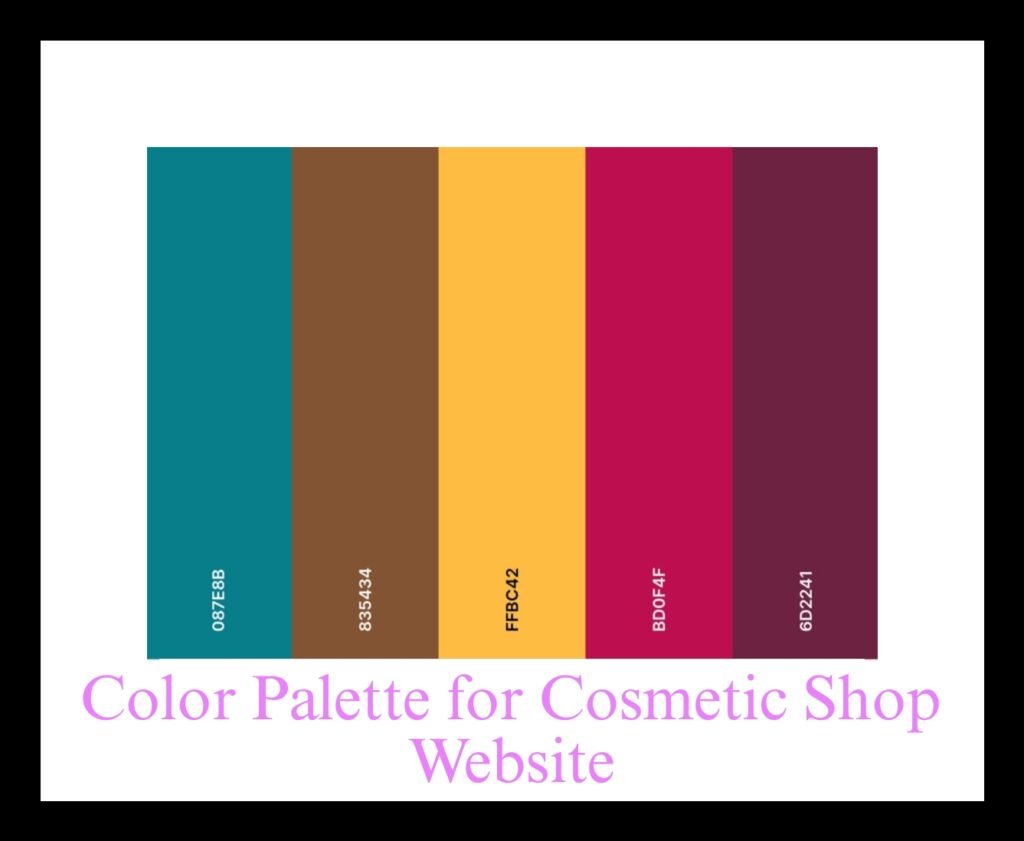
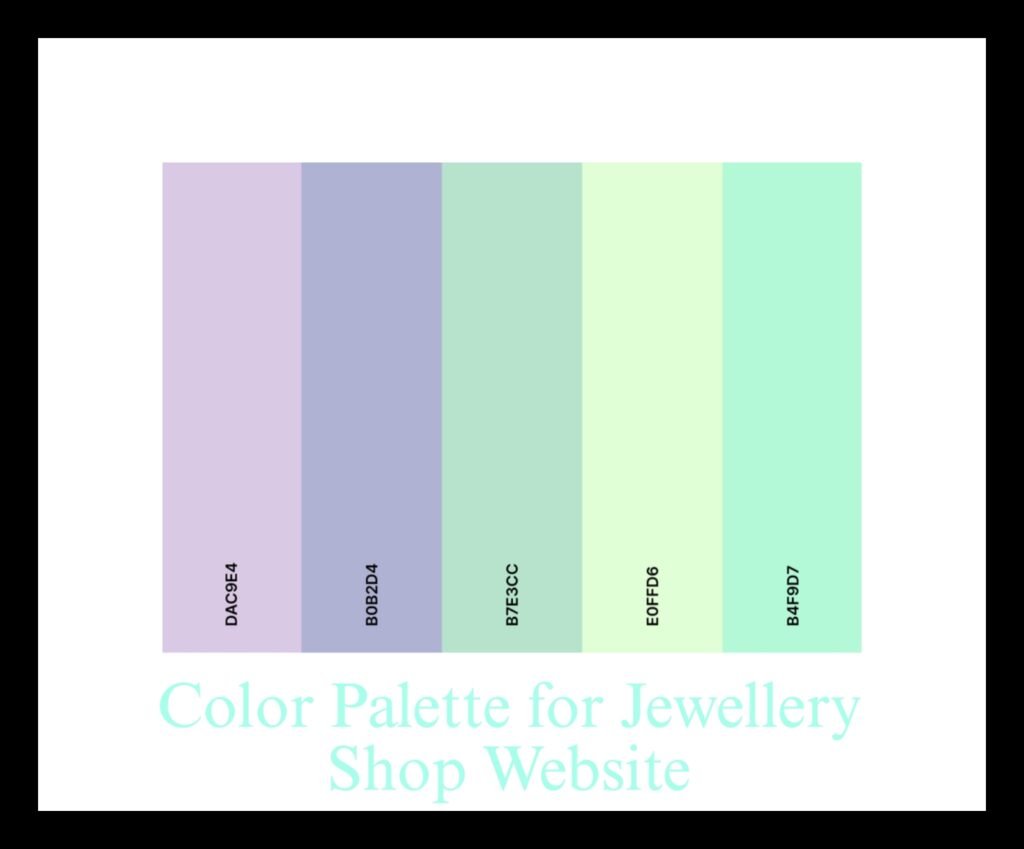
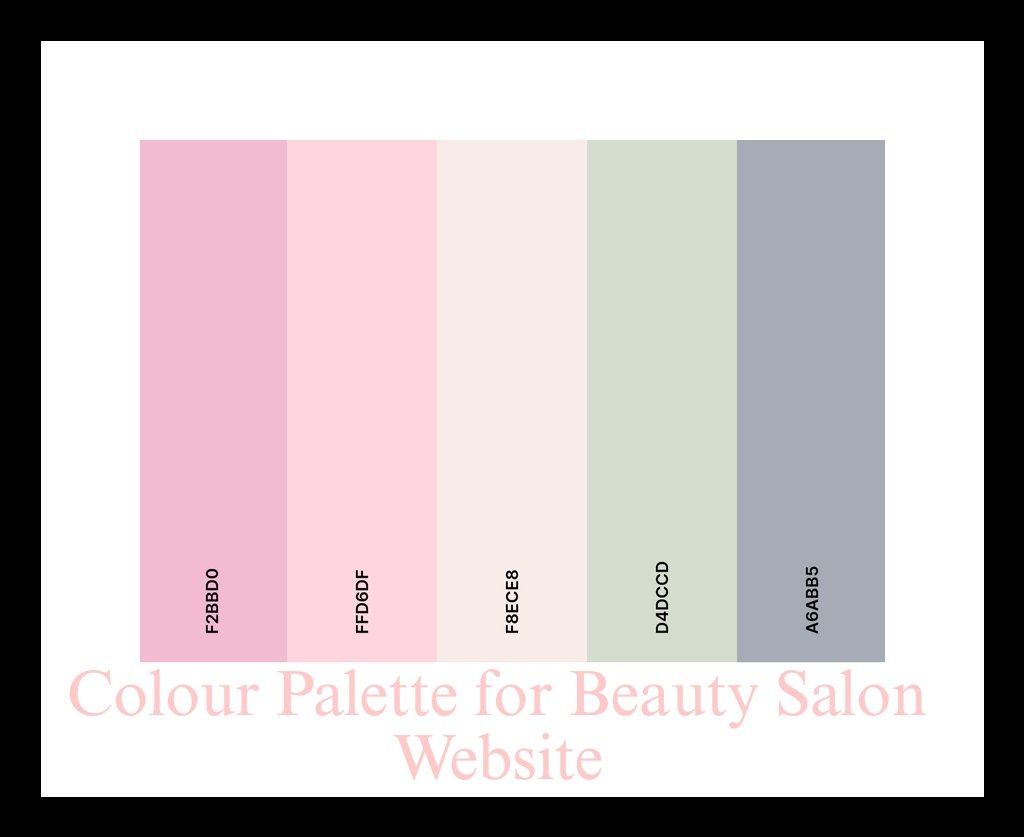
Picking the right color palette? Yeah, it can feel a bit overwhelming at times. But hey, there’s a ton of tools and resources out there to help designers navigate this colorful world. You’ve got your online color palette generators, think Adobe Color, Coolors, Paletton. They’re pretty awesome for getting started. Just toss in a base color, and boom! You’ll get a bunch of complementary, analogous, or triadic palettes to choose from.
Now, here’s the trick: get to know what each platform offers. Play around with those adjustment sliders, check out different color harmony rules, and don’t forget, you can upload images to pull color schemes right from them! To really make the most of these tools, it’s good to have a grasp on basic color theory. Experiment with various palette types, and keep accessibility in mind; making sure there’s enough contrast is key for readability.
But wait, there’s more! Inspiration is literally all around us, especially from the websites we visit every day. Take a moment to explore sites that are visually striking. Look closely, how do they use color to set a mood or convey their brand’s identity? Pay attention to how primary, secondary, and accent colors balance out across different design elements.
And let’s not forget about the influence of different markets. Take Dubai, for instance, a place where luxury meets rich heritage. You might notice their websites often feature warm tones like gold and beige paired with bolder shades like deep blues or greens. This combo reflects both the vibrant culture and the city’s modern aspirations. By digging into successful color schemes, designers can totally adapt and refine their own palettes. This way, they create designs that not only stand out but also resonate with the diverse audiences they’re aiming for. It’s all about crafting something impactful and culturally relevant, you know?
Wrapping It Up
Alright, let’s wrap things up by revisiting some key takeaways, shall we? We’ve dived deep into the basics of color psychology and how you can use different colors to stir up specific feelings. Plus, we talked about why making your designs accessible is super important.
We also looked into how to pick color palettes that fit the vibe of different businesses. Think about it: the calming blues and greens work wonders for corporate settings, while the lively reds and yellows can really pop in creative fields.
So, as you set out on your color selection adventure, keep these handy tips in mind: Do a little homework on your audience, make sure everything’s easy to read, get a grasp on color harmonies, and stick to your brand’s look and feel. Oh, and don’t shy away from mixing things up! Try different combos and ask for input from users, clients, and coworkers. You know, the best color palette often comes from a bit of trial and error.
Now, it’s your moment! We’re excited for you to put these ideas into action. We’d love to hear about your journey, so drop your thoughts, color picks, and any hurdles you’ve faced in the comments below. Let’s learn from one another and work together to make the web a more visually stunning place!
You know, in this ever-evolving digital age we’re living in, it’s hard to overstate just how crucial web design really is. So, what exactly is web design? Well, it’s all about planning and creating websites, but it’s way more than just slapping some pretty pictures on a page. It involves a bunch of different elements—like layout, content, graphics, and user experience. It’s this careful mix of how things look and how they work that keeps users engaged. Really, web design acts as a vital link between businesses and their audience, shaping not just how info is displayed but also how people actually interact with it online.
Think about it: effective web design is like the front door to the digital world. It’s super important for attracting and keeping visitors. In a world where your online presence can literally make or break a business, having a well-designed website is essential. A solid web design doesn’t just look professional and trustworthy. Nope! It also creates a smooth user experience that invites people to explore and interact with the content. So, it becomes this key tool for boosting website traffic and turning those visitors into loyal customers.
Now, what’s the point of this article? Well, we’re gonna dive into the complex relationship between good web design and the increase in website traffic. We’ll look at some essential design principles, user experience strategies, and how responsive design plays a role in all this. By the end, we hope to shine a light on how a well-thought-out website can seriously impact how visitors behave. Plus, we’ll point out just how crucial web design is for growth and success in today’s competitive online scene. Sounds good, right?
First Impression Matter
First impressions matter significantly, especially in the digital world where attention spans are often fleeting. The initial interaction a visitor has with a website serves as a powerful psychological trigger that shapes their perception of the brand. Research shows that users form opinions about a website within a mere fraction of a second. This underscores the necessity of thoughtful design—it’s not just about how a website looks, but how it makes the user feel. A well-crafted website can evoke trust, credibility, and interest, leading users to engage more deeply with the content, while a poorly designed site can deter them in an instant.
Aesthetics play a pivotal role in web design, serving as the gateway to user experience. Color schemes, typography, imagery, and spacing all contribute to the overall tone and mood of a website. When these elements are harmoniously integrated, they create an inviting atmosphere that encourages exploration. On the other hand, a chaotic or unattractive design can lead to confusion and frustration, causing users to leave before they even fully explore what the site has to offer. The psychological impact of aesthetics extends beyond mere visuals; it affects cognition and emotion, influencing the likelihood of engagement and conversion.
Moreover, a clean and professional appearance is paramount in establishing authority and trustworthiness. Users are often wary of websites that appear cluttered or unprofessional, associating these traits with a lack of credibility. A sleek design that prioritizes clarity and usability communicates to visitors that they are in a safe space where their needs are prioritized. By investing in a polished and cohesive design, businesses can not only enhance their brand image but also increase user retention and satisfaction. In today’s competitive online landscape, where first impressions can make or break a brand, ensuring that every visual aspect contributes positively to the user experience is essential for success.
User Experience (UX) and Navigation
So, let’s talk about User Experience, or UX, in web design. Basically, it’s all about how a person feels when they’re using a website or an app. There are a bunch of things that play into this, like how easy it is to use, how accessible it is, and how nice it looks. When designers really get what users need and want, they can create something that makes navigating the site a breeze. This means understanding how people behave online, what they like, and what tasks they want to tackle. The goal? To create a space that’s not just pretty but works well, making it easier for users to achieve what they’re after. Good UX doesn’t just make people happy; it also helps build trust and loyalty.
Now, let’s dig into navigation—it’s super important for keeping users around. If folks can find what they need quickly and without any hassle, they’re way more likely to stick around. Clear navigation is like a roadmap; it shows users where to go and helps them interact with the content without feeling lost. But if navigation is all jumbled up or confusing? Well, that can drive people away fast. A website that nails intuitive navigation is much more likely to see people coming back for more.
And here’s something to think about: there’s a real link between a smooth user experience and lower bounce rates. When the UX is designed well, and navigation is user-friendly, it keeps people interested and encourages them to look around instead of just bouncing after one glance. If users can find what they’re after in no time, they’re less likely to leave right after landing on the site. On the flip side, a confusing or frustrating experience can send users packing pretty quickly. So, putting in the effort to create an easy, seamless experience doesn’t just keep users on the site longer; it really boosts overall performance and, in the end, helps the website thrive.
Mobile Responsiveness: Adapting to a Mobile-First World
You know, the way we use the internet has really changed, especially with all the mobile traffic out there. It’s reshaped web design in a big way. I mean, did you realize that over half of all global web traffic comes from mobile devices? That’s huge! So, businesses nowadays really can’t afford to overlook how their websites perform on mobile. This whole shift has some serious consequences for the structure, design, and optimization of websites. As more people are scrolling through content on their phones and tablets, it’s essential that websites make navigation, load times, and overall functionality work smoothly on these devices. Otherwise, they risk losing users—no one likes a frustrating experience, right?
Let’s talk about some key principles that make a website mobile-responsive. First off, there’s fluid grids, flexible images, and those handy media queries. Together, they create a pretty seamless experience no matter what screen size you’re on. A fluid grid system? It’s like magic—it scales layout elements proportionally, so the content just flows, whether you’re on a tiny smartphone or a big desktop monitor. And those flexible images? They keep their aspect ratio while resizing, which means no weird distortion and everything looks just right. Media queries? Oh, they’re super important too. They help apply different styles based on the device’s features, like screen width and orientation. Sticking to these principles really helps designers make websites that perform well for everyone, no matter what device they’re using.
Now, let’s look at a few real-world examples that show how mobile design can seriously impact website traffic and user engagement. Take ASOS, for instance. They revamped their mobile site to make shopping way easier—and guess what? They saw a whopping 50% jump in mobile transactions in just six months. Then there’s CNN; after they redesigned their website for mobile, they got a nice boost in mobile traffic too, with a 25% increase in page views from mobile users. Pretty impressive, right? These cases not only underline why mobile responsiveness is a must, but they also show how it can really amp up user engagement, drive those conversions, and ultimately help a brand thrive in this mobile-driven digital world.
Loading Speed and Performance
You know, in our super-fast digital world today, how quickly a website loads is absolutely crucial. If a site doesn’t load in a snap, users can get pretty frustrated. I mean, studies show that most folks expect a site to pop up within two seconds. If it drags on longer than that, well, many people just bounce right out of there. That’s not good for keeping users engaged or happy. Plus, search engines like Google are all about speed too. They tend to favor websites that load quickly, so if yours is slow, it could get buried in search results, making it tough to pull in that organic traffic.
So, how can web designers and developers amp up that loading speed? There are quite a few tricks they can try. One solid approach is optimizing images—like compressing them without losing quality—so they load faster. Also, ever heard of lazy loading? It’s actually pretty handy; it means images and videos only load when they’re about to appear on the user’s screen. And, let’s not forget about cutting down on those HTTP requests by cleaning up the code and using content delivery networks (CDNs). That can really help speed things up. Oh, and caching strategies—both on the server side and for users—can make a big difference too. They let people access frequently used data way quicker.
The link between how fast a site loads, the amount of traffic it gets, and conversion rates is pretty eye-opening. Research says that just a one-second delay can cause a 7% drop in conversions. Crazy, right? And there’s that report from Google indicating that over half of mobile users—53%, to be exact—will ditch a site if it takes more than three seconds to load. These numbers really underline how vital it is to optimize your page speed—not just for SEO but also for boosting traffic and conversion rates. In a world where every second counts, businesses really need to put web performance at the top of their list to keep users happy and drive success online.
SEO-Friendly Design: Blending Looks and Function
So, let’s talk about something super important in today’s online world: the mix of SEO, or Search Engine Optimization, with web design. Honestly, it’s becoming really essential. When we say SEO-friendly design, we’re looking at websites that not only look great but also do a solid job of climbing the ranks in search engine results. It’s all about understanding how different design features—like layout, color choices, and font styles—can shape how users interact with a site. A site that’s designed well? It can really keep people engaged, making them stick around longer and bounce away less. And guess what? Search engines take notice of those things when they decide where to place your site in search results.
Now, let’s dig into some on-page elements. You’ve got headers, images, and meta tags, right? These are crucial for boosting SEO while keeping the user experience smooth and intuitive. Headers, like H1 and H2, help break down content in a way that’s easy to read. They tell both users and search engines what’s important. And those images? If you optimize them with the right alt tags and filenames, they don’t just look good—they help people find your site more easily. Don’t forget about meta tags, especially title tags and meta descriptions, since they’re like quick previews that can really boost your click-through rates. So, getting these elements right can seriously up your SEO game.
But wait, there’s more! Good design isn’t just about how things look; it can seriously influence your search engine rankings too. Take responsive design, for example. It makes sure your site works well on any device, which is a biggie for search engines like Google—they really care about mobile-friendliness. Plus, if your pages load quickly, that’s a win for user experience and rankings too; search engines consider page speed as a ranking factor. So, by honing in on usability, accessibility, and how everything functions within your design, web designers have a real chance to boost a site’s SEO potential. In the long run, that means more organic traffic and, ultimately, steady growth for businesses trying to thrive in the digital space.
Compelling Content and Visuals
These days, in our crazy digital world, having eye-catching content and visuals is super important if you want to grab and hold onto people’s attention. You s uniee, design plays a huge role in making content easier to read and engage with. A good layout? It’s like a roadmap that helps guide readers through all the info and highlights the essential bits. When you focus on clear fonts, enough white space, and smart alignment, it breaks down complex ideas into bite-sized pieces that folks can easily digest. Plus, when you throw in some smart design tricks—like using contrasting colors and a solid visual hierarchy—everything becomes not just easier to read but also more attractive, pulling users in to explore more.
Now, let’s talk about the balance between text and visuals—it’s key if you want to make a real impact. Text gives depth and context, sure, but visuals like infographics, photos, and videos? They help simplify tough concepts and stir up emotions. This combination of text and visuals creates a kind of immersive experience that keeps audiences engaged and helps them remember the information better. Finding that sweet spot means getting the story that each piece of content wants to tell and using visuals as more than just pretty pictures. They’re crucial elements that actually boost the overall message.
And hey, let’s not forget about the power of high-quality images and videos in web design! Seriously, the right visuals can completely shift how users perceive a brand, making it feel more professional and trustworthy. When you choose images and videos that are not only high-res but also thoughtfully crafted, they don’t just grab attention—they enhance the content, making it relatable and memorable. In a time when we’re all drowning in information, using top-notch media alongside engaging content really helps a brand stand out. It creates a richer experience that builds loyalty and makes people want to share. In the end, mixing strong design elements with good content makes everything more effective, resulting in a seamless blend that captivates and informs.
Branding and Consistency
When we talk about web design, brand identity is super important for creating a strong and memorable online presence. A solid brand identity really captures what a business is all about—its core values, mission, and personality. You can see this through various design elements like logos, color palettes, typography, and images. All these components work together to send a clear message to users, helping build recognition and trust. So, when someone lands on a site that clearly reflects a well-defined brand identity, they’re way more likely to engage, share, and actually convert. In the end, this boosts the business’s reputation in what can be a pretty crowded digital world.
Now, let’s talk about consistency. It’s crucial for branding across different web pages and devices. When users are exploring various sections of a site or hopping between their phone, tablet, or computer, they should see familiar design elements that reinforce the brand’s identity. This kind of consistency not only helps users navigate but also makes the site look better overall. For instance, keeping typography the same, using a consistent color scheme, and having recognizable icons can help the brand look coherent, no matter where the user is interacting with it. Doing this builds a reliable experience that boosts user satisfaction and loyalty.
Take Apple, for example. Their website is a fantastic case of successful branding through web design. The minimalist design of Apple’s site really reflects its product philosophy—simplicity and elegance. They use a lot of white space, sleek typography, and a color scheme that just works, making their brand instantly recognizable. Plus, whether you’re on a desktop, tablet, or smartphone, Apple’s branding stays the same. You get the same look and feel, which is what users expect. This smart approach not only strengthens brand loyalty but also creates a welcoming environment that encourages users to explore and connect with the whole Apple ecosystem.
Calls to Action (CTAs) and Conversion Rates
Okay, so let’s talk about Calls to Action, or CTAs, and why they’re super important for a website. You know, they’re those little nudges that guide people to do things like buy something, sign up for a newsletter, or just ask for more info. The way you place these CTAs on a webpage really matters if you want to get more people to take action. A well-placed CTA can totally change the game, making users more likely to engage. For example, if you put a CTA right at the top of the page, people will see it without having to scroll down. And, hey, using bright colors or larger text? That can really grab attention!
When CTAs fit smoothly into the overall user experience, they do more than just look good—they also build trust and inspire people to take that next step.
Now, if you really want your CTAs to shine, you need to think about a few design tricks. High-contrast colors that pop against the background are key, and keeping the language short and snappy is a must. You want action verbs that make people feel like they can’t miss out. Plus, using recognizable shapes and some smart spacing can help guide the user’s eye right to those buttons or links. Adding in some arrows or icons? That’s another nice touch to help folks know where to click. It’s all about making the design both pretty and functional so that it really encourages users to take action.
And here’s a fun fact: stats show just how crucial these design choices are when it comes to conversions. Some studies have found that changing the color of a CTA button could boost conversions by up to 200%. Crazy, right? And tweaking the text can sometimes increase click-through rates by as much as 300%! Plus, if you do A/B testing with different designs, positions, and wording, you might discover some surprising results.
Optimizing conversion rates isn’t a one-time thing; it’s a continual effort. Even small tweaks can lead to big changes in how engaged users are and can drive sales up. So, by really focusing on how you design your CTAs, businesses can turn casual visitors into loyal customers. It’s clear that design plays a huge role in making conversion strategies work!
So, to wrap it all up, let’s talk about web design. It really is super important when it comes to pulling in and keeping visitors on your site. A site that looks good? Yeah, it grabs attention, but it also makes it easy for folks to navigate and find what they’re looking for. In this digital age we live in, first impressions matter a lot. Seriously, a user’s initial experience can totally change how they act on your site, which in turn can affect how well you convert visitors and succeed overall. So, when you think about it, putting money into solid web design isn’t just a quick fix—it’s more like planting seeds for the future. It can really pay off by building trust and making users feel engaged.
And hey, it’s crucial for both businesses and individuals to remember that the online world is always changing. Because of that, it’s super important to keep checking in on how your web design is doing and make improvements as needed. Think of this as a little nudge to all of you to take a step back and look at your own site. Are there things you could tweak or improve? Even if it’s just some small changes or a full redesign by a pro, every little bit helps. All these efforts toward a better user experience can really lead to more traffic and lasting success in this competitive online scene.